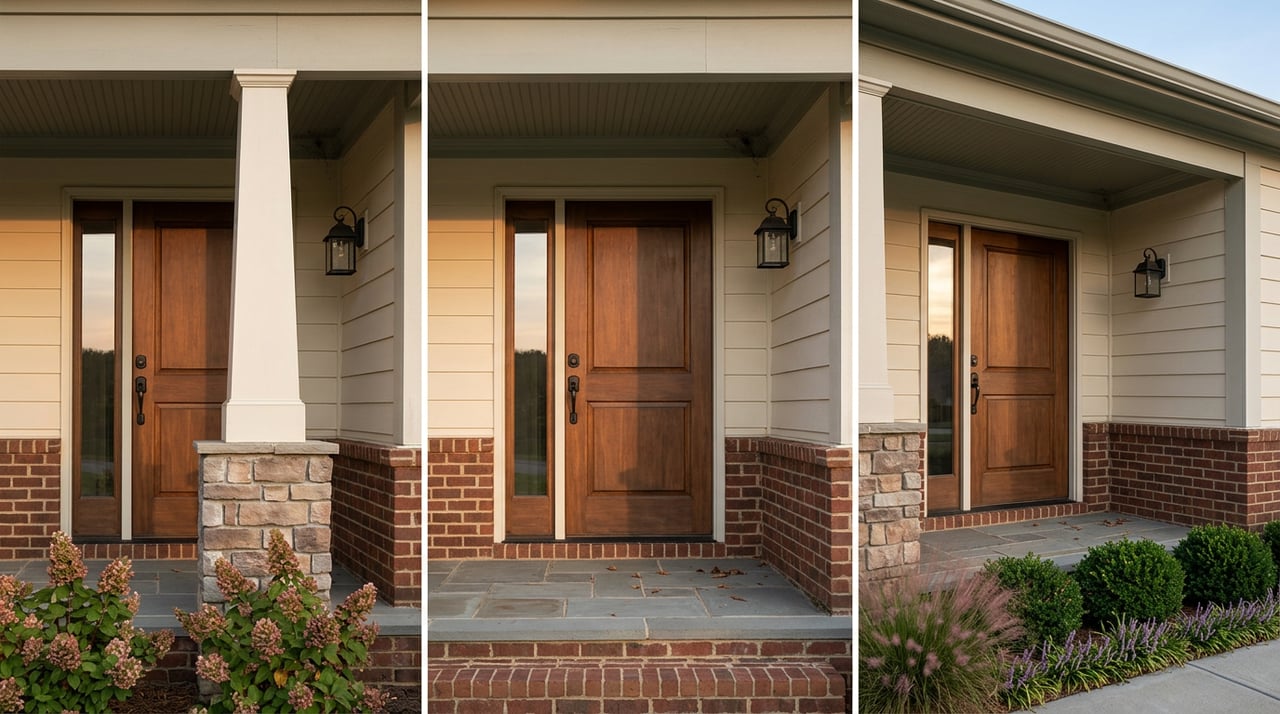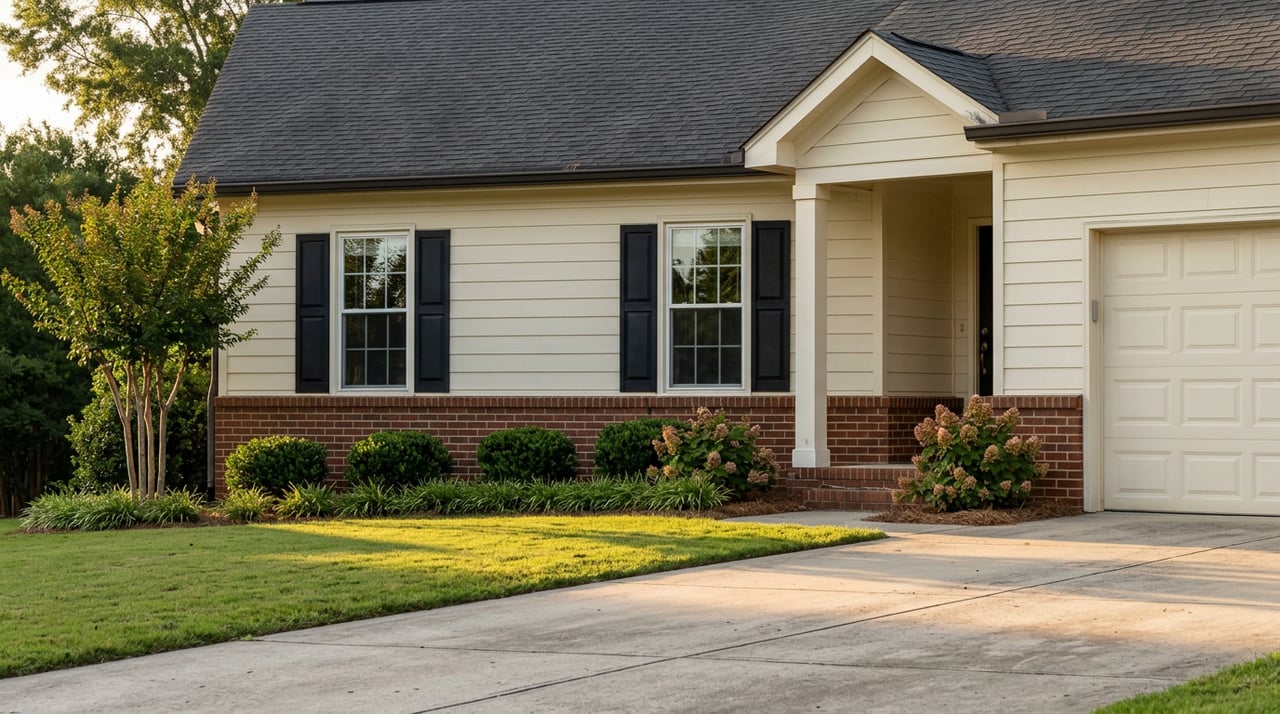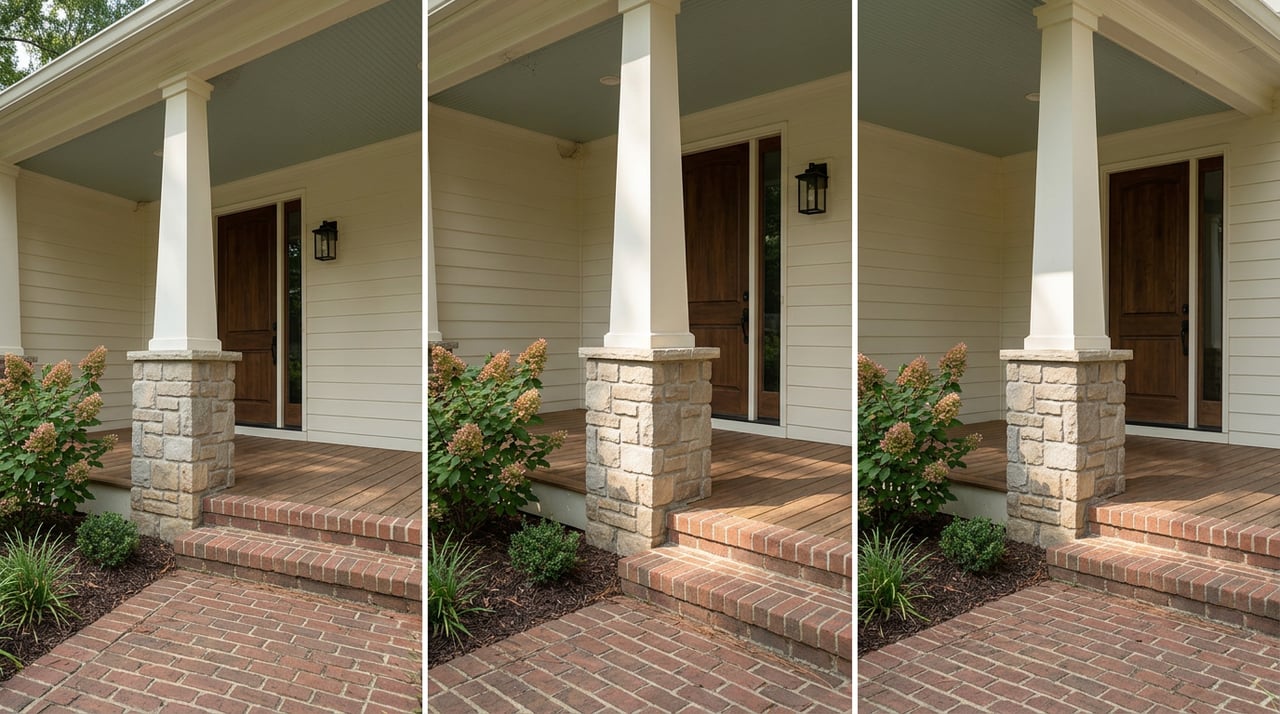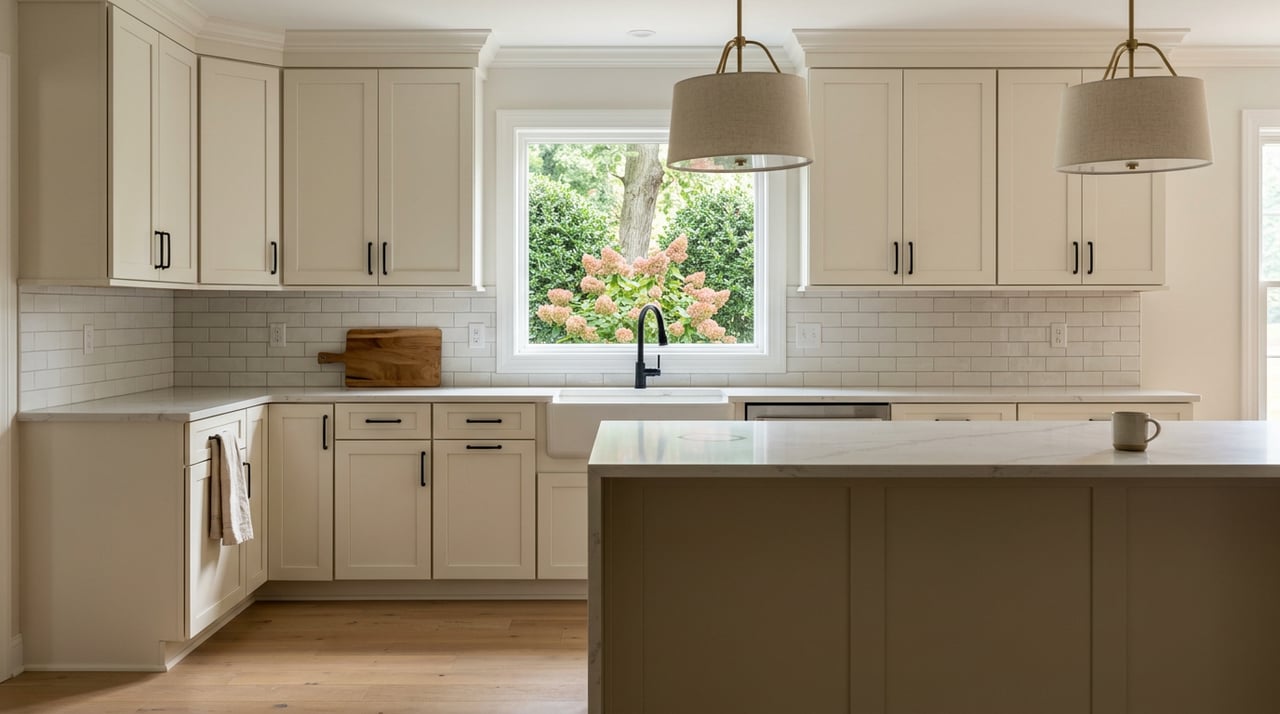
Two homes on the same street in Sunset Oaks list within a few weeks of each other. Similar square footage, similar lot, similar asking price. One appraises exactly at contract. The other comes in well under, and the seller can't explain it, because on paper the houses look almost identical. The gap the appraiser found wasn't about how well either owner kept up their home. It was about who built it.
That distinction matters more in Sunset Oaks than it does in most Holly Springs neighborhoods, because Sunset Oaks was never built by one company running one set of plans. It was built by seven, over two decades, and that history shows up at the appraisal desk long before it shows up in a listing photo.
One Neighborhood, Seven Different Builders
Sunset Oaks was first built starting in 2004 and now holds 633 single-family homes across roughly 350 acres, with about 100 acres kept as open space, split between two sections: Sunset Oaks proper and The Woods at Sunset Oaks. Over the two decades since, the neighborhood has been built out by Saussy Burbank, John Wieland Homes, Garman Homes, Halcyon Homes, Poythress Construction Company, J. Scott Builders, and Saybrook Homes. That range shows up in the housing stock itself, from cottage and craftsman styles to garden and village homes to fully custom builds.
Living inside that variety is part of what gives Sunset Oaks its character. Selling inside it is a different exercise than selling in a neighborhood where every home came from the same builder on the same floor plan.
Why The Gap Shows Up At The Appraisal, Not The Listing
An appraiser doesn't compare neighborhoods. An appraiser compares recent closed sales within a defined radius and time window, then adjusts line by line for differences in condition, quality, and age.
When every nearby home came from the same builder, those adjustments are small. In a neighborhood built by seven different companies, they are not.
A J. Scott Builders home from the mid-2000s and a Saussy Burbank home from a decade later can sit four doors apart and still require a genuine quality-grade adjustment, not because one owner maintained their house better, but because the two builders used different construction standards and material specifications from day one. A seller who assumes every closed sale within a half mile is an equal comp is setting up for a number that doesn't hold at the appraisal.
The HOA is part of that same conversation. Sunset Oaks and The Woods at Sunset Oaks are governed by architectural and fencing guidelines, and the association's own records list William Douglas Management as the company that administers them. If you added a screened porch, a fence, or an addition, the paperwork showing that improvement was approved isn't just a compliance detail. It's evidence for the appraiser and for the buyer's attorney that the work was done within the rules, and in a neighborhood with this much builder variation, that kind of documentation carries more weight than it would in a newer, single-builder community where every home already matches an approved plan.
The Twenty-Year Mark: What Inspectors Are Finding
Homes in the original 2004 phase of Sunset Oaks are now old enough that big-ticket systems are starting to show up on inspection reports as negotiating points, not footnotes. Local inspectors report that older homes in Holly Springs, especially those with vented crawlspaces, can develop moisture-related concerns tied to humidity, drainage, and ventilation. New construction in the area isn't exempt either. Inspectors regularly find incomplete installations, grading issues, and system performance problems even in homes finished within the last few years. Radon is present throughout Wake County, Sunset Oaks included, and it can only be confirmed by testing, never by looking.
None of this makes a Sunset Oaks home harder to sell. It means a seller who knows which builder built their section, tests ahead of time, and keeps HOA approval paperwork on hand walks into a transaction with fewer surprises than a seller who assumes their neighborhood behaves like a single-builder subdivision. A typical home inspection in the Holly Springs area runs $475 to $550, a small cost against the value of knowing in advance what a buyer's inspector is likely to flag.
Before you list, the paperwork that actually helps:
- Find out which builder built your specific home and roughly when. This shapes how an appraiser positions you against nearby closed sales.
- Pull your HOA architectural approval records for any porch, fence, deck, or addition. William Douglas Management maintains these on the association's behalf.
- Consider a pre-listing radon test if you haven't tested recently, especially if your home has a crawlspace.
- If you're in the original 2004 phase, document the age of your roof, HVAC system, and water heater so your listing gets ahead of the inspection conversation instead of reacting to it.
Why This Timing Matters Right Now
Holly Springs isn't moving the way it was two years ago. As of August 2026, homes listed in Holly Springs carried a median price of $699,000 and $233 per square foot, and Sunset Oaks remains counted among the town's more established, consistently sought-after neighborhoods. A townwide median, though, says very little about what one specific Sunset Oaks home, built by one specific builder in one specific year, will actually appraise for or sell for.
The Town of Holly Springs' own FY27 budget message points to a real slowdown on the supply side: single-family and townhome permits fell to under 300 in 2025, down from a ten-year average of 600, even as roughly 5,200 already-approved but unbuilt residential units remain in the pipeline. Local pricing analysis published in June 2026 also notes that Holly Springs submarkets, communities like Twelve Oaks, Sunset Ridge, Holly Glen, and Woodcreek, are not moving in lockstep, and that a pricing strategy built on one townwide number can easily miss what's actually happening in a specific pocket of the market. Sunset Oaks adds its own layer to that divergence. Inside one neighborhood boundary, the comp a seller assumes they have may not be the comp an appraiser actually uses.
A Few Direct Questions
Does it matter whether my home is in Sunset Oaks or The Woods at Sunset Oaks? For pricing purposes, somewhat. The two sections were built at different points in the neighborhood's build-out by different combinations of builders, so an appraiser working from recent sales will naturally weight comps from your own section more heavily.
Do I need a radon test before I list? It isn't required to list, but Wake County soil carries radon risk broadly. Testing ahead of time means you control the timeline and the contractor if mitigation is ever needed, rather than reacting to a buyer's test results mid-due diligence.
How do I find out which builder built my specific home? Your HOA's management company and county property records both keep original builder information tied to your parcel. It's one of the first things worth confirming before you set a list price.
A home in Sunset Oaks is worth exactly what a specific buyer's appraiser says a specific set of comparable sales supports, and getting that number right starts with knowing which of the neighborhood's seven builders actually built yours. If you're weighing a move in Sunset Oaks, or trying to make sense of how your home compares to the one two streets over, Debbie Goldstein can walk through your comps, your HOA paperwork, and your pricing strategy together. Let's Connect.